
Top Attractions
Check out the best places to explore in Afghanistan. From ancient monuments to deep history with natural beauty this land has to offer. Each place tells a unique story waiting to be discovered.
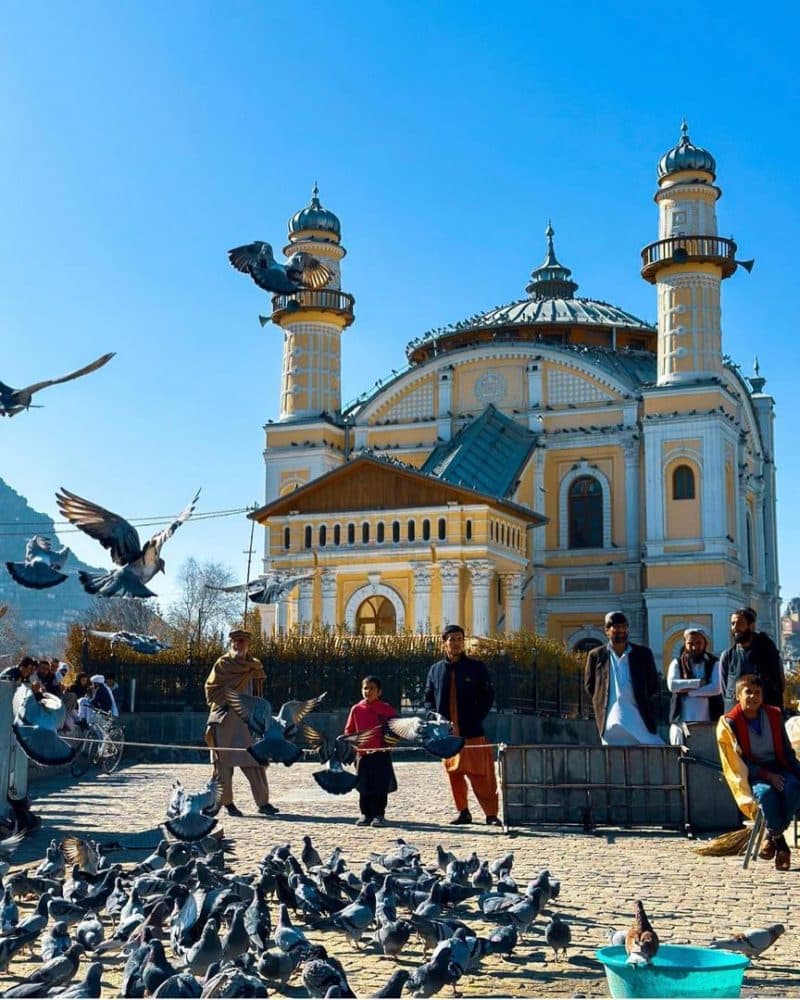
Mosque
1) Shah-e-Du Shamshira Mosque
The Shah-e-Du Shamshira Mosque, meaning “Mosque of the King of Two Swords,” is one of Kabul’s most iconic landmarks. Built in the early 20th century during the reign of King Amanullah Khan, it stands out for its distinctive European architectural style, which blends Islamic and Baroque influences. This two-story mosque is located near the Kabul River and the Pul-e-Khishti area in the old city of Kabul, making it a central and historical place of worship.
Key Features of Shah-e-Du Shamshira Mosque
1. Architecture
- The mosque has a unique two-tiered structure with intricate decorations, including floral patterns and vibrant colors.
- It contrasts with the traditional Islamic architecture typically seen in Afghanistan, with its dome, windows, and arched corridors inspired by European designs.
2. Historical Significance
- It is named after a legendary figure in Afghan history who fought with two swords
- The mosque reflects the modernization efforts in Afghanistan during King Amanullah’s era.
3. Cultural Role
- The mosque serves as a prominent place of worship for locals.
- It is a symbol of Kabul’s rich cultural and historical tapestry.
4. Tourist Attraction
- Its location by the Kabul River and its distinctive design make it a must-visit site for tourists and photographers.
- The vibrant surrounding markets add to the area’s charm.
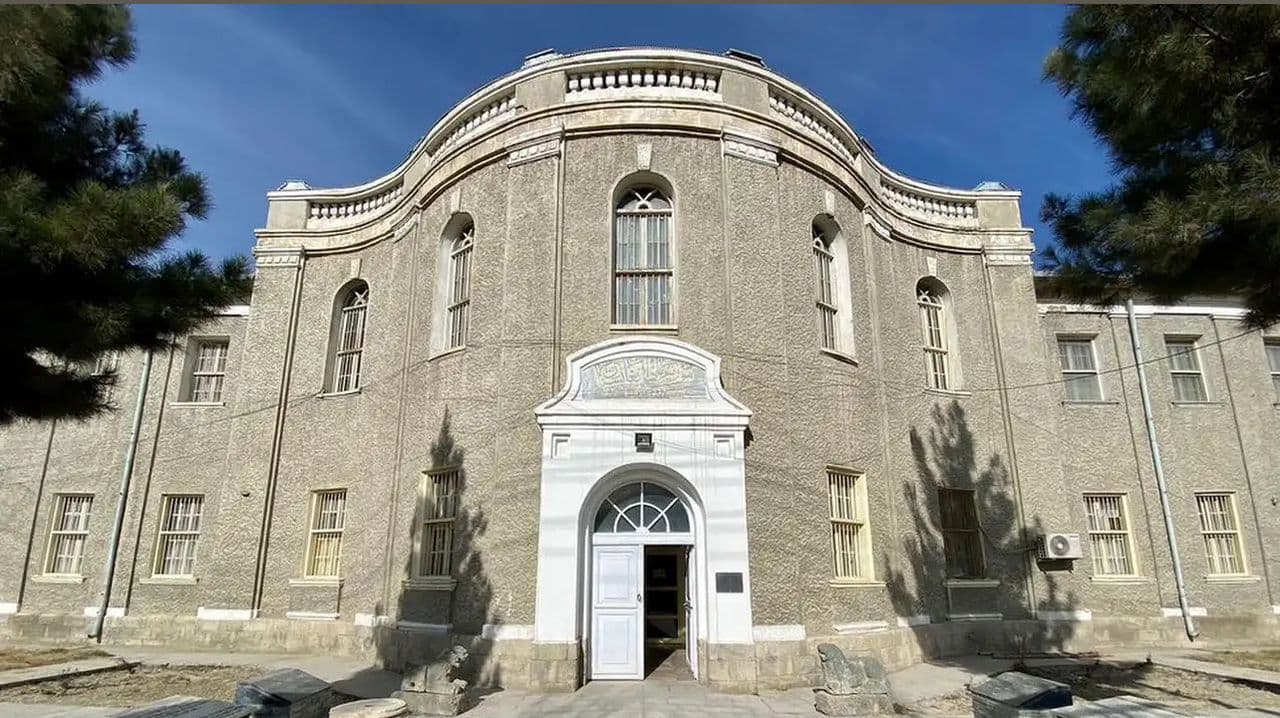
Museum
2) Kabul International Museum
The Kabul International Museum, officially known as the National Museum of Afghanistan, is a treasure trove of the country’s rich cultural and historical heritage. Located in the Darulaman area of Kabul, it is one of the most important museums in Central Asia, housing a collection that spans thousands of years of Afghan history.
Key Highlights of the Museum
1. Historical Background
- Established in 1919, the museum was initially located in a small building near the Bagh-e-Bala Palace.
- It moved to its current location in 1931 and became internationally renowned for its extensive collection.
2. Collection
- Artifacts from Ancient Afghanistan: Includes objects from prehistoric times, the Greco-Bactrian era, the Kushan Empire, and the Islamic Golden Age
- Bactrian Hoard: One of the most famous collections includes the Bactrian Gold, a stunning cache of over 20,000 gold objects from ancient burial sites.
- Gandharan Buddhist Art: Displays exquisite sculptures, manuscripts, and relics from the Gandhara civilization.
- Islamic Artifacts: Features intricate ceramics, calligraphy, and metalwork from Afghanistan’s Islamic period.
- Ethnographic Collection: Showcases traditional Afghan clothing, jewelry, and tools.
3. Architectural Beauty
- The museum is housed in a beautiful neoclassical building with arched windows and a symmetrical design.
- Its surrounding gardens add to the serene atmosphere, making it an inviting space for visitors
4. Challenges and Restoration
- The museum faced significant damage during decades of war, resulting in the loss of many priceless artifacts.
- Since the early 2000s, efforts have been made to restore and preserve its collections, with help from UNESCO and other international organizations.
5. Visitor Experience
- The museum offers guided tours in multiple languages, providing insight into Afghanistan’s diverse history.
- It also hosts temporary exhibitions, educational programs, and workshops for both locals and tourists.
Practical Information for Visitors
- Location: Darulaman Road, Kabul, Afghanistan.
- Hours: Open daily (except Fridays), typically from 9:00 AM to 4:00 PM.
- Entry Fees: Nominal charges apply, with discounts for students and groups.
- Photography: Allowed in certain areas, with prior permission.
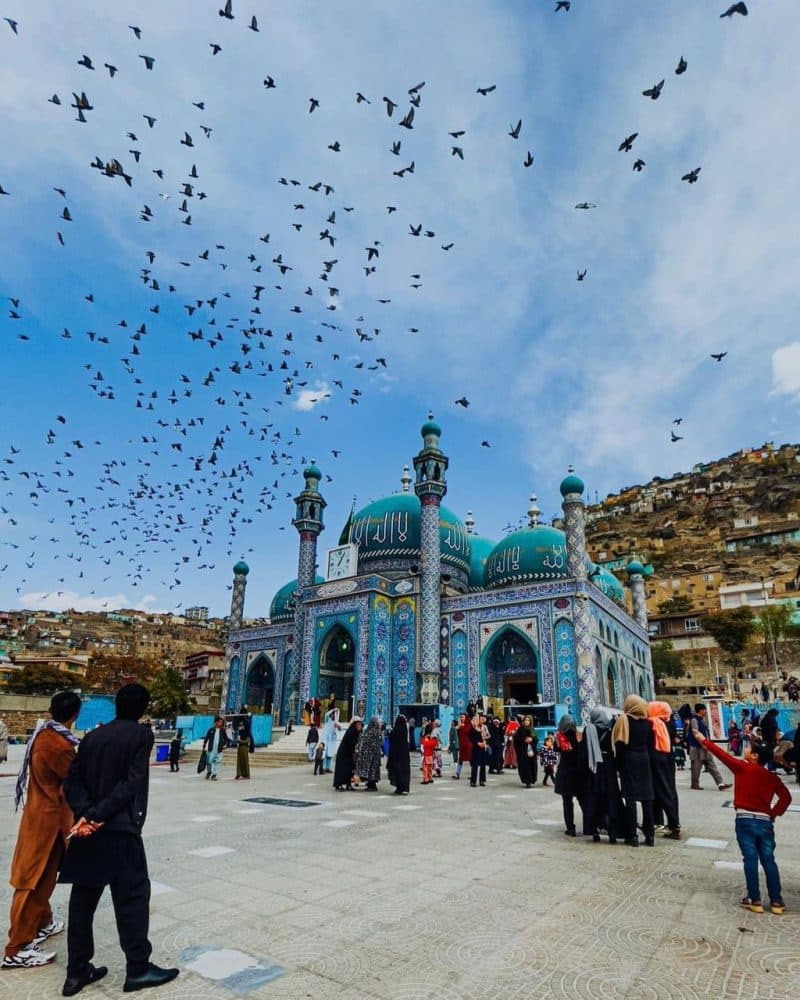
Shrine
3) Shakhi Shrine (Sakhi Shrine)
The Shakhi Shrine, also known as Sakhi Baba Shrine, is a revered religious and historical site located in Kabul, Afghanistan. It is an important destination for both locals and visitors, offering insight into Afghanistan’s Islamic history and cultural practices. The shrine is dedicated to Hazrat Sakhi Baba, a significant Islamic saint.
Key Features of Shakhi Shrine
1. Historical Significance
- Sakhi Baba is believed to be a spiritual leader who lived during the 17th century. The shrine has long been a pilgrimage site for followers of Sufism and those seeking blessings from the saint
- The shrine is especially famous for its association with Shia Islam, as it is thought to be one of the holiest sites for Shia Muslims in Afghanistan.
2. Architecture
- The shrine features traditional Islamic architecture with beautifully designed domes, intricate tile work, and a serene courtyard.
- The main building is an elegant structure with a large prayer hall, where visitors can offer prayers and reflect.
- Decorative elements such as colorful mosaics, calligraphy, and geometric patterns adorn the walls, adding to the spiritual ambiance.
3. Spiritual Importance
- Pilgrimage Site: The shrine is a place of devotion, where many come to seek spiritual solace and blessings. On special days like the holy month of Muharram, large gatherings take place for prayers and rituals.
- Well of Healing: There is a well near the shrine, where it is believed that the water has healing properties. Many visitors come to drink from it or take water for loved ones who are ill.
4. Cultural Role
- The shrine is a cultural hub, hosting festivals, religious events, and gatherings that strengthen the local community’s sense of identity.
- It is a place for both reflection and celebration, with local artisans and traders selling crafts and food around the shrine’s vicinity.
5. Location and Atmosphere
- The shrine is set on a hill, offering a panoramic view of Kabul and the surrounding valley, making it a peaceful retreat away from the hustle of the city.
- The serene environment, along with the frequent chants and prayers heard around the shrine, adds to the sense of tranquility and reverence that visitors experience.
Visitor Information
- Location: The Shakhi Shrine is located in the west of Kabul, near the Sakhi Hill.
- Accessibility: The site is open to visitors year-round. However, it can get crowded during major Islamic holidays, especially in Muharram..
- Opening Hours: Typically open during the day for visitors and pilgrims.
- Entry Fees: Free entry, but donations are encouraged to help maintain the shrine.
Why Visit the Shakhi Shrine?
- Historical and Cultural Significance: Darulaman Road, Kabul, Afghanistan.
- A Peaceful Retreat: Open daily (except Fridays), typically from 9:00 AM to 4:00 PM.
- Unique Local Experience: A visit to Shakhi Shrine provides a chance to interact with local pilgrims and experience the warmth of Afghan hospitality.
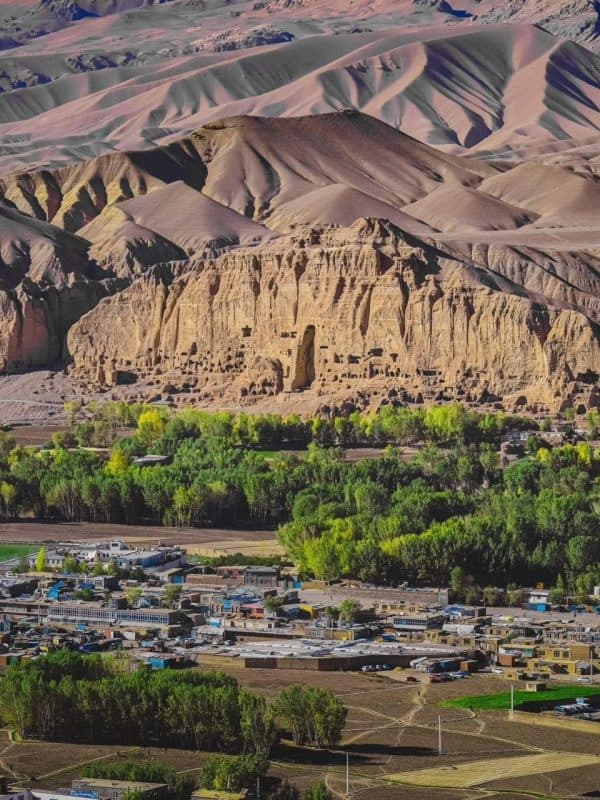
Monument
4) Buddhas of Bamyan
The Buddhas of Bamyan were once among the most iconic and ancient monuments in Afghanistan. These massive statues, carved into the cliffs of the Bamyan Valley, represent the cultural and religious significance of the region, which was a center for Buddhism from the 6th to 9th centuries. Though they were tragically destroyed in 2001, the Buddhas’ historical importance remains a symbol of Afghanistan’s rich cultural heritage.
Key Features of the Buddhas of Bamyan
1. Historical and Cultural Significance
- The Bamyan Buddhas consisted of two colossal statues: the East Buddha (approximately 55 meters tall) and the West Buddha (around 38 meters tall). They were among the largest ancient statues in the world.
- The statues represented Mahayana Buddhism, and their presence reflected Afghanistan’s historical role as a crossroads between the East and West
- These statues were carved from the cliffs of the Bamyan Valley in central Afghanistan, which had been a Buddhist center for centuries. The valley was a significant stop along the Silk Road, where travelers, monks, and traders exchanged goods and ideas.
2. Historical Significance
- It is named after a legendary figure in Afghan history who fought with two swords
- The mosque reflects the modernization efforts in Afghanistan during King Amanullah’s era.
3. Art and Architecture
- The statues were carved directly into the rock faces of the Shah-e-Zinda cliff, overlooking the Bamyan Valley. Their faces and features were highly detailed, reflecting the advanced craftsmanship of the period.
- The East Buddha was in a seated posture, while the West Buddha stood upright, thought to be a representation of the Buddha in the past or future.
- Surrounding the statues were caves and grottos, which housed Buddhist monasteries and served as places for meditation and pilgrimage. Frescoes and inscriptions also adorned the area, showcasing a blend of Indian, Central Asian, and Buddhist art traditions.
4. Destruction and Preservation Efforts
- In March 2001, the Taliban destroyed the Buddhas, citing their destruction of pre-Islamic artifacts as part of their interpretation of Islamic doctrine. The statues were dynamited, leaving only their outlines and the surrounding niches in the cliffs.
- Since then, there have been various efforts to preserve the site and restore the cultural memory of the Buddhas. International organizations, including UNESCO, have worked to protect and conserve the area, with plans for reconstruction and documentation.
5. The Bamyan Valley
- The Bamyan Valley itself is a UNESCO World Heritage site, celebrated for its stunning landscape, ancient caves, and historical significance. The valley is home to various Buddhist relics, including frescoes, carved inscriptions, and man-made caves.
- Visitors can see the remnants of the Buddhas, and it is considered a symbol of cultural resilience, representing Afghanistan’s rich Buddhist past before the arrival of Islam.
6. Spiritual and Cultural Legacy
- Despite the destruction of the Buddhas, they continue to hold deep cultural and spiritual meaning for both the people of Afghanistan and global communities. The Bamyan site remains a symbol of the nation’s diverse history, welcoming visitors from around the world who wish to learn more about Afghanistan’s historical significance on the world stage
- Many locals still revere the Bamyan Valley as a sacred site, and it remains an important destination for those interested in the history of Buddhism in Afghanistan
Visitor Information
- Location: The Buddhas of Bamyan are located in the Bamyan Valley, about 240 kilometers northwest of Kabul, Afghanistan.
- Accessibility: The site is accessible by road, and while the journey may take several hours, the scenic views along the way make it a rewarding trip.
- Hours: The site is open year-round, though access may be limited during winter due to weather conditions
- Entry Fees: There may be a nominal fee for entry to the site, but tourists can also book guided tours that offer more in-depth information about the site’s history and significance.
Why Visit the Buddhas of Bamyan?
- Historical Significance: The Buddhas of Bamyan are a testament to Afghanistan’s ancient Buddhist heritage and role as a cultural and religious crossroads.
- Cultural Reflection: Visiting the site provides insight into the deep history of the Bamyan Valley, with remnants of art, architecture, and religious traditions from the past.
- Scenic Beauty: The site is surrounded by the breathtaking landscape of the Bamyan Valley, with towering cliffs and expansive views that add to the spiritual atmosphere of the place.
- Resilience and Preservation: Despite the destruction, the area remains a symbol of cultural resilience, and visiting it supports efforts to preserve Afghanistan’s rich history for future generations.